
 Kontakt
 Jak nakupovat
Doručení
Nákupní rádce
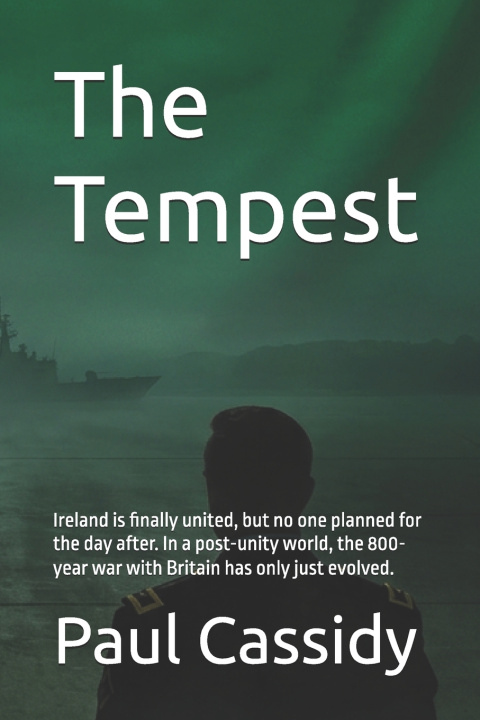
The Tempest
Ireland is finally united, but no one planned for the day after. In a post-unity world, the 800-year war with Britain has only just evolved.
 Angličtina
 33 b
33 b
 Nové
Nové
30 dní na vrácení zboží

The border is gone. The flags have been folded away. The treaties have been signed, and history has declared itself satisfied. After centuries of grievance and sacrifice, the island is finally whole.
But peace, it turns out, is easier to win than to govern.
In the uneasy months after reunification, the old certainties begin to crack. London calls it a transition. Dublin calls it a settlement. Belfast calls it something far more fragile. Beneath the language of diplomacy and constitutional process, a harder truth is beginning to emerge: nobody truly planned for the day after victory.
As a new Irish state struggles to define itself, Britain struggles to accept what has been lost. Security arrangements meant to preserve stability become weapons in waiting. Public promises collapse under private pressure. The settlement celebrated as a final answer has only created a more dangerous question: What happens when a country gets everything it wanted, only to discover that wanting was the easy part?
At the centre of the storm is Ciarán Fenton, a brilliant, self-interested Irish lawyer who has spent his career navigating the grey space between power and principle. Clever enough to see the angles before anyone else and cynical enough to profit from them, Fenton is not a patriot in any simple sense. But when the post-unity order begins to buckle, even he finds himself pulled into a crisis of sovereignty that threatens to consume the island.
As tensions escalate between Ireland and Britain, the battle moves through cabinet rooms, court filings, intelligence briefings, and military channels where nations are quietly made and unmade. The settlement promised closure. Instead, it opens every unresolved question at once.
Part political thriller, part legal drama, The Tempest imagines a near-future Ireland forced to confront the consequences of finally getting what generations fought for. It is a story about the arrogance of planners, the endurance of grievance, and the terrible difficulty of building a future in the shadow of an 800-year past.


Informace o knize
Angličtina
