
 Kontakt
 Jak nakupovat

Doručení
Nákupní rádce
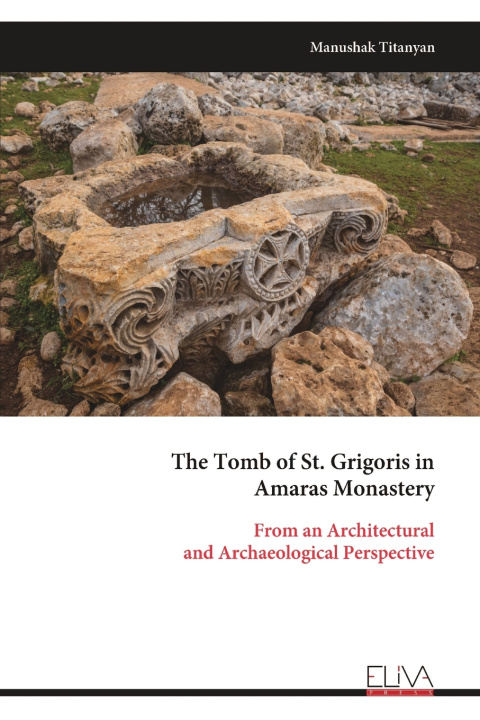
The Tomb of St. Grigoris in Amaras Monastery
From an Architectural and Archaeological Perspective
 Angličtina
 126 b
 Připravujeme
 Nové
Až 30 dní na vrácení zboží

This article examines the martyrium's planning and structural features based on archaeological and architectural evidence. Special attention is given to the spatial configuration of entrances, particularly the debated eastern entry, and its possible connection to liturgical practices and the canonical reforms attributed to Vachagan the Pious. The study demonstrates that the martyrium's original composition followed the typological principles of early Armenian Christian architecture, with a primary western entrance and an eastern niche. The eastern entry is interpreted as a later modification, likely associated with subsequent construction phases and functional adaptations. These findings contribute to a broader understanding of early medieval architectural traditions and the religious-cultural interactions between Armenia and Caucasian Albania (Auank).


Informace o knize
Angličtina
Kategorie

Darujte tuto knihu ještě dnes
Je to snadné
1 Přidejte knihu do košíku a zvolte doručit jako dárek 2 Obratem vám zašleme poukaz 3 Kniha dorazí na adresu obdarovanéhoAhoj! Jsem Libroamiko, tvůj knižní rádce.
Jak ti můžu pomoct?