
 Kontakt
 Jak nakupovat
Doručení
Nákupní rádce
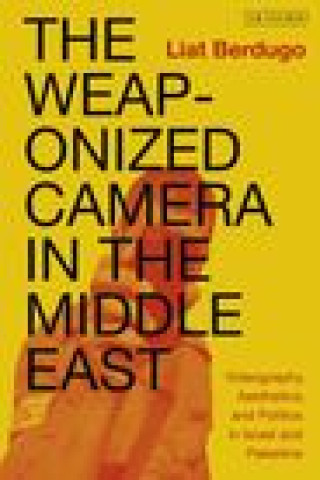
Weaponized Camera in the Middle East
Videography, Aesthetics, and Politics in Israel and Palestine
 Angličtina
 89 b
89 b
Až 30 dní na vrácení zboží
Zákazníci také koupili




















Drawing on unprecedented access to the video archives of B’Tselem, an Israeli NGO that distributes cameras to Palestinians living in the West Bank, East Jerusalem, and the Gaza Strip, Liat Berdugo lays out an argument for a visual studies approach to videographic evidence in Israel/Palestine.
Using video stills as core material, it discusses the politics of videographic evidence in Israel/Palestine by demonstrating that the conflict is one that has produced an inequality of visual rights. The book highlights visual surveillance and counter surveillance at the citizen level, how Palestinians originally filmed to “shoot back” at Israelis, who were armed with shooting power via weapons as the occupying force. It also traces how Israeli private citizens began filming back at Palestinians with their own cameras, including personal cell phone cameras, thus creating a simultaneous, echoing counter surveillance.
Complicating the notion that visual evidence alone can secure justice, the Weaponized Camera in The Middle East asks how what is seen, but also who is seeing, affects how conflicts are visually recorded. Drawing on over 5,000 hours of footage, only a fraction of which is easily accessible to the public domain, this book offers a unique perspective on the strategies and battlegrounds of the Israel/Palestine conflict.


Informace o knize
Angličtina

Darujte tuto knihu ještě dnes
Je to snadné
1 Přidejte knihu do košíku a zvolte doručit jako dárek 2 Obratem vám zašleme poukaz 3 Kniha dorazí na adresu obdarovanéhoMohlo by vás také zajímat







 /
/
 Brožovaná
 287
Kč
287
Kč



Ahoj! Jsem Libroamiko, tvůj knižní rádce.
Jak ti můžu pomoct?