
 Kontakt
 Jak nakupovat
Doručení
Nákupní rádce
 Angličtina
 75 b
75 b
30 dní na vrácení zboží

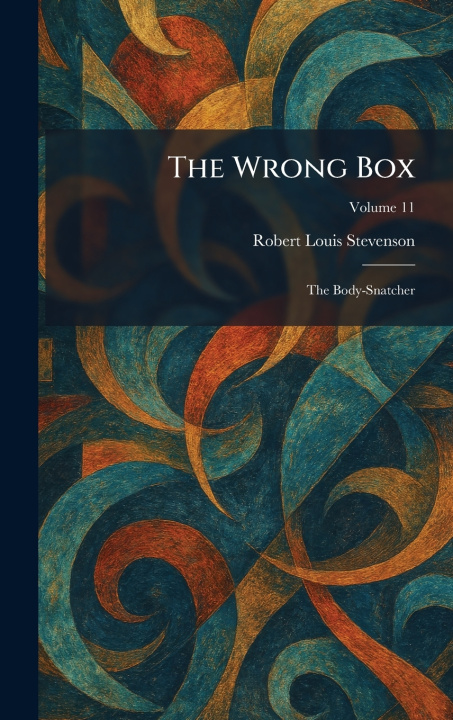
"The Wrong Box" and "The Body-Snatcher" showcase the remarkable versatility of Robert Louis Stevenson, blending dark comedy with chilling suspense. In "The Wrong Box," co-written with Lloyd Osbourne, readers are treated to a chaotic and satirical tale centered on a tontine-a high-stakes financial arrangement where the last survivor wins a fortune. As the two remaining elderly competitors, the Finsbury brothers, navigate a series of misunderstandings involving a misplaced corpse, the narrative descends into a hilarious exploration of greed and absurdity.
In stark contrast, "The Body-Snatcher" is a haunting work of Gothic fiction inspired by the grim realities of nineteenth-century medical research. The story follows a young medical student who becomes entangled in the dark trade of grave robbing to supply his anatomy professor with cadavers. As the line between science and crime blurs, the tale reaches a supernatural and terrifying conclusion. Together, these works highlight Stevenson's mastery of tone, ranging from the lighthearted farce of Victorian society to the macabre depths of the human psyche. This collection serves as a testament to Stevenson's enduring legacy as a storyteller capable of both entertaining and unsettling his audience.
This work has been selected by scholars as being culturally important, and is part of the knowledge base of civilization as we know it. This work was reproduced from the original artifact, and remains as true to the original work as possible. Therefore, you may see the original copyright references, library stamps (as most of these works have been housed in our most important libraries around the world), and other notations in the work.
This work is in the public domain in the United States of America, and possibly other nations. Within the United States, you may freely copy and distribute this work, as no entity (individual or corporate) has a copyright on the body of the work.
As a reproduction of a historical artifact, this work may contain missing or blurred pages, poor pictures, errant marks, etc. Scholars believe, and we concur, that this work is important enough to be preserved, reproduced, and made generally available to the public. We appreciate your support of the preservation process, and thank you for being an important part of keeping this knowledge alive and relevant.


Informace o knize
Angličtina
