
 Kontakt
 Jak nakupovat
Doručení
Nákupní rádce
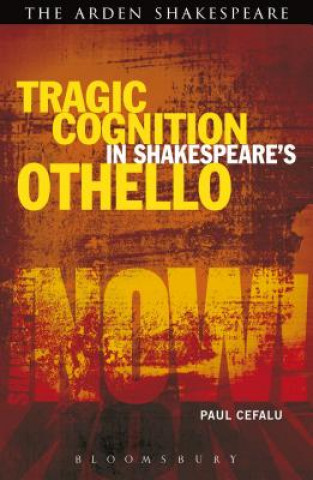
Tragic Cognition in Shakespeare's Othello
 Angličtina
 76 b
76 b
Až 30 dní na vrácení zboží
Zákazníci také koupili




 /
/
 Brožovaná
 417
Kč
417
Kč
 /
Brožovaná
1 519
Kč
/
Brožovaná
1 519
Kč

 /
Pevná
758
Kč
/
Pevná
758
Kč



As the cognitive revolution has begun heavily to influence Shakespeare and early modern studies, related critical methodologies such as psychoanalytic criticism have begun to seem provincial, outworn, or, in some more hostile quarters, simply misdirected. If we are indeed living through a cognitive revolution and "age of the brain," the time seems appropriate to revisit psychoanalytic criticism, not in order to displace, but rather to supplement, the application of brain science to literary analysis. This book represents the first attempt to bring together cognitive and psychoanalytic criticism, through a startling new analysis of Iago's character. Iago is a recalcitrant literary figure and neither cognitive nor psychoanalytic theory alone can explain our strange, embarrassed kinship with him, nor the unique ways in which Iago's very staging of his own catharsis prevents a full purgation of our pity and fear. Through looking at both critical methodologies, Paul Cefalu opens up new insights into the mechanisms of tragic identification and catharsis within Othello.


Informace o knize
Angličtina

Darujte tuto knihu ještě dnes
Je to snadné
1 Přidejte knihu do košíku a zvolte doručit jako dárek 2 Obratem vám zašleme poukaz 3 Kniha dorazí na adresu obdarovanéhoMohlo by vás také zajímat


 /
Pevná
1 075
Kč
/
Pevná
1 075
Kč


 /
Pevná
2 357
Kč
/
Pevná
2 357
Kč
Ahoj! Jsem Libroamiko, tvůj knižní rádce.
Jak ti můžu pomoct?