
 Kontakt
 Jak nakupovat
Doručení
Nákupní rádce
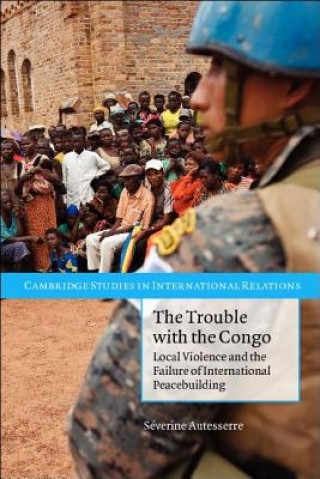
Trouble with the Congo
Local Violence and the Failure of International Peacebuilding
 Angličtina
 84 b
84 b
Až 30 dní na vrácení zboží
Zákazníci také koupili




 /
/
 Brožovaná
 243
Kč
243
Kč

 /
Brožovaná
619
Kč
/
Brožovaná
619
Kč

 /
Brožovaná
240
Kč
/
Brožovaná
240
Kč


The Trouble with the Congo suggests a new explanation for international peacebuilding failures in civil wars. Drawing from more than 330 interviews and a year and a half of field research, it develops a case study of the international intervention during the Democratic Republic of the Congo's unsuccessful transition from war to peace and democracy (2003–2006). Grassroots rivalries over land, resources, and political power motivated widespread violence. However, a dominant peacebuilding culture shaped the intervention strategy in a way that precluded action on local conflicts, ultimately dooming the international efforts to end the deadliest conflict since World War II. Most international actors interpreted continued fighting as the consequence of national and regional tensions alone. UN staff and diplomats viewed intervention at the macro levels as their only legitimate responsibility. The dominant culture constructed local peacebuilding as such an unimportant, unfamiliar, and unmanageable task that neither shocking events nor resistance from select individuals could convince international actors to reevaluate their understanding of violence and intervention.


Informace o knize
Angličtina

Darujte tuto knihu ještě dnes
Je to snadné
1 Přidejte knihu do košíku a zvolte doručit jako dárek 2 Obratem vám zašleme poukaz 3 Kniha dorazí na adresu obdarovanéhoMohlo by vás také zajímat












 /
Pevná
3 052
Kč
/
Pevná
3 052
Kč


 /
Brožovaná
1 119
Kč
/
Brožovaná
1 119
Kč
 /
Brožovaná
1 459
Kč
/
Brožovaná
1 459
Kč





Ahoj! Jsem Libroamiko, tvůj knižní rádce.
Jak ti můžu pomoct?