
 Kontakt
 Jak nakupovat
Doručení
Nákupní rádce
 Angličtina
 111 b
111 b
Až 30 dní na vrácení zboží
Zákazníci také koupili






 /
/
 Adobe ePub DRM
 92
Kč
92
Kč






 /
Adobe ePub DRM
1 836
Kč
/
Adobe ePub DRM
1 836
Kč




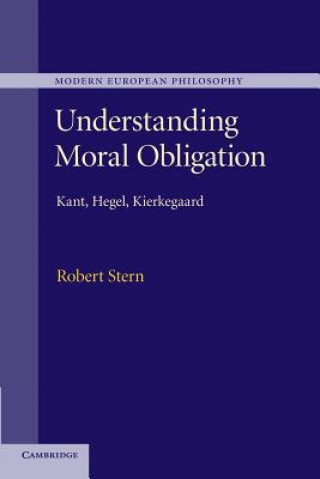
In many histories of modern ethics, Kant is supposed to have ushered in an anti-realist or constructivist turn by holding that unless we ourselves 'author' or lay down moral norms and values for ourselves, our autonomy as agents will be threatened. In this book, Robert Stern challenges the cogency of this 'argument from autonomy', and claims that Kant never subscribed to it. Rather, it is not value realism but the apparent obligatoriness of morality that really poses a challenge to our autonomy: how can this be accounted for without taking away our freedom? The debate the book focuses on therefore concerns whether this obligatoriness should be located in ourselves (Kant), in others (Hegel) or in God (Kierkegaard). Stern traces the historical dialectic that drove the development of these respective theories, and clearly and sympathetically considers their merits and disadvantages; he concludes by arguing that the choice between them remains open.


Informace o knize
Angličtina
Kategorie

Darujte tuto knihu ještě dnes
Je to snadné
1 Přidejte knihu do košíku a zvolte doručit jako dárek 2 Obratem vám zašleme poukaz 3 Kniha dorazí na adresu obdarovanéhoMohlo by vás také zajímat






















 /
/
 Brožovaná
2 021
Kč
Brožovaná
2 021
Kč

Ahoj! Jsem Libroamiko, tvůj knižní rádce.
Jak ti můžu pomoct?