Doprava zdarma při nákupu nad 1 499 Kč přes Zásilkovnu nebo PPL Box.

Staňte se součástí komunity milovníků knih z celého světa a získejte hromadu výhod.
Založit účet zdarma
Doprava zdarma se Zásilkovnou nad 1 499 Kč
Kurýr DPD 69 Kč
PPL shop 49 Kč
Balíkovna 69 Kč
PPL kurýr 74 Kč
PPL box 39 Kč
Balíkovna 49 Kč
Výdejní místo DPD 49 Kč
Zásilkovna 39 Kč
 Kontakt
 Jak nakupovat
Pomoc
Doručení
Kurýr DPD 69 Kč
PPL shop 49 Kč
Balíkovna 69 Kč
PPL kurýr 74 Kč
PPL box 39 Kč
Balíkovna 49 Kč
Výdejní místo DPD 49 Kč
Zásilkovna 39 Kč
Doprava zdarma se Zásilkovnou nad 1 499 Kč
Nákupní rádce
Jsme tu pro vás!
571 999 090
Můj účet
▸
Prázdný :-(
0
Doprava zdarma při nákupu nad 1 499 Kč přes Zásilkovnu nebo PPL Box.
Jazyk
 Angličtina
Angličtina
Kniha
Brožovaná
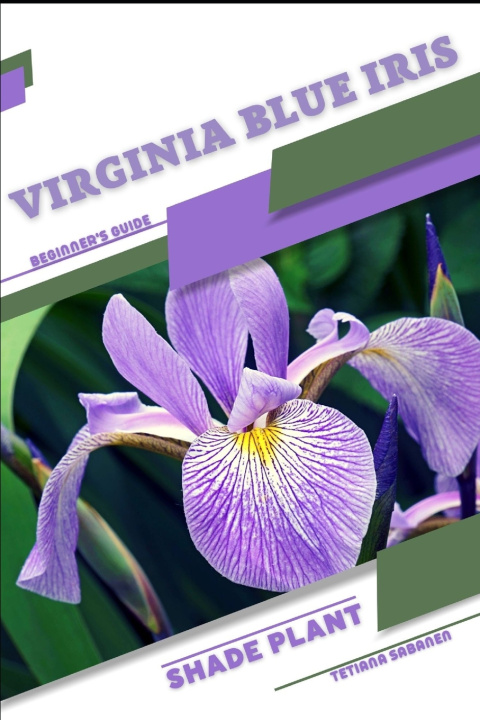
Shade plants, also known as shade-tolerant or shade-loving plants, have evolved a suite of adaptatio...
Celý popis
Libristo kód: 51086228
?
 44 b
44 b
44 b
444
Kč
Skladem u dodavatele
Odesíláme za 14-21 dnů
Až 30 dní na vrácení zboží
Zákazníci také koupili



Shade plants, also known as shade-tolerant or shade-loving plants, have evolved a suite of adaptations that allow them to thrive in environments characterized by reduced light intensity. These plants have developed various strategies to capture and utilize available light energy efficiently. We will explore the key features and mechanisms employed by shade plants to successfully adapt to low-light conditions.
- Light Harvesting Structures:
- Light-Absorbing Pigments:
- Low-Light Photosynthetic Mechanisms:
- Light-Avoidance Responses:
- Nutrient Efficiency:
- Adaptive Morphology:
- Understory and Forest Floor Ecology:
- Tolerance to Low Light Stress:
In conclusion, shade plants have evolved a range of adaptations at the structural, physiological, and ecological levels to thrive in low-light environments. These adaptations allow them to efficiently capture, utilize, and compete for available light, ensuring their survival and growth in shaded habitats.
So, this book will tech you how to grow this plant, Scroll up and get new knowledge
Herečka
&
Polyglotka
EWA KASP
pro
Přehrát video


Libristo má největší výběr cizojazyčné literatury. Proto své knihy kupuji tady.
Informace o knize
Plný název
Virginia Blue Iris
Autor
Tetiana Sabanen
Jazyk
Angličtina
Angličtina
Vazba
Kniha - Brožovaná
Datum vydání
2023
Počet stran
98
EAN
9798861272919
Libristo kód
51086228
Nakladatelství
Independently published
Váha
144
Rozměry
152 x 229 x 5

Darujte tuto knihu ještě dnes
Je to snadné
1 Přidejte knihu do košíku a zvolte doručit jako dárek 2 Obratem vám zašleme poukaz 3 Kniha dorazí na adresu obdarovaného
Knižní rádce Libroamiko
Užíváním tohoto chatu komunikujete s generativní umělou inteligencí. Jeho užíváním také souhlasíte se zpracováním osobních údajů.
Ahoj! Jsem Libroamiko, tvůj knižní rádce.
Jak ti můžu pomoct?
Ahoj, jsem Libroamiko, můžu pomoct?