
 Kontakt
 Jak nakupovat

Doručení
Nákupní rádce
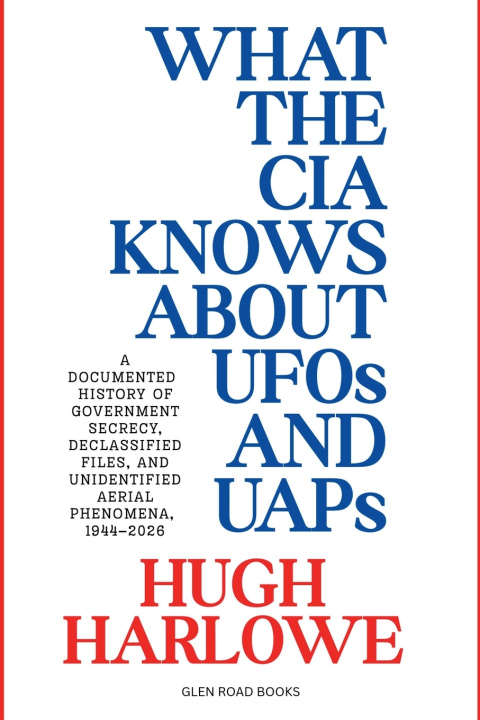
WHAT THE CIA KNOWS ABOUT UFOs AND UAPs
 Angličtina
 35 b
 Nové
Až 30 dní na vrácení zboží

For decades, the Central Intelligence Agency has sat at the center of public speculation regarding government UFO secrecy, but the true story of how the Agency handled the question is far more complex and bureaucratic than conspiracy theorists ever imagined. In What the CIA Knows About UFOs and UAPs, researcher Hugh Harlowe draws on declassified memoranda, internal intelligence reports, court records, and the Agency's own internal histories to trace the CIA's engagement with unidentified aerial phenomena from its founding in 1947 to the modern era of transparent disclosure. Moving behind closed doors, this book examines the origins of oversight when the 1952 Washington, D.C. radar flaps and the creation of the Office of Scientific Intelligence dragged a reluctant Agency off the sidelines. It details the January 1953 closed-door scientific panel led by H. P. Robertson that shaped official government skepticism and set a generational policy of public management. The book also explores how classified high-altitude reconnaissance programs like the U-2 and OXCART produced thousands of civilian UFO reports while the government chose silence, as well as the clashes, lawsuits, and persistent civilian crusades-from Donald Keyhoe and Leon Davidson to the landmark Ground Saucer Watch federal lawsuit-that slowly chipped away at the Agency's wall of silence. Finally, it covers the modern era, ranging from psychic remote-viewing programs like STAR GATE to contemporary UAP transparency mandates and historical records collections. This text serves as a definitive, clear-eyed institutional history of secrecy, bureaucracy, and the unknown.


Informace o knize
Angličtina

Darujte tuto knihu ještě dnes
Je to snadné
1 Přidejte knihu do košíku a zvolte doručit jako dárek 2 Obratem vám zašleme poukaz 3 Kniha dorazí na adresu obdarovanéhoAhoj! Jsem Libroamiko, tvůj knižní rádce.
Jak ti můžu pomoct?