
 Kontakt
 Jak nakupovat
Doručení
Nákupní rádce
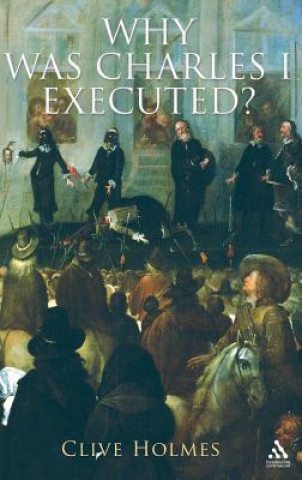
Why Was Charles I Executed?
 Angličtina
 228 b
228 b
Až 30 dní na vrácení zboží
Zákazníci také koupili



 /
/
 Pevná
Pevná
 2 969
Kč
2 969
Kč


 /
Brožovaná
1 131
Kč
/
Brožovaná
1 131
Kč


 /
binding.
1 037
Kč
/
binding.
1 037
Kč

The execution of Charles I in 1649, followed by the proclamation of a Commonwealth, was an extraordinary political event. It followed a bitter Civil War between parliament and the king, and their total failure to negotiate a subsequent peace settlement. Why the king was defeated and executed has been a central question in English history, being traced back to the Reformation and forward to the triumph of parliament in the eighteenth century. The old answers, whether those of the Victorian narrative historian S.R. Gardiner or of Lawrence Stone's diagnosis of a fatal long-term rift in English society, however, no longer satisfy, while the newer ones of local historians and 'revisionists' often leave readers unclear as to why the Civil War happened at all. In "Why Was Charles I Executed?", Clive Holmes supplies clear answers to eight key questions about the period, ranging from why the king had to summon the Long Parliament to whether there was, in fact, an English Revolution.


Informace o knize
Angličtina

Darujte tuto knihu ještě dnes
Je to snadné
1 Přidejte knihu do košíku a zvolte doručit jako dárek 2 Obratem vám zašleme poukaz 3 Kniha dorazí na adresu obdarovanéhoMohlo by vás také zajímat
 /
Brožovaná
1 032
Kč
/
Brožovaná
1 032
Kč














Ahoj! Jsem Libroamiko, tvůj knižní rádce.
Jak ti můžu pomoct?