
 Kontakt
 Jak nakupovat
Doručení
Nákupní rádce
 Angličtina
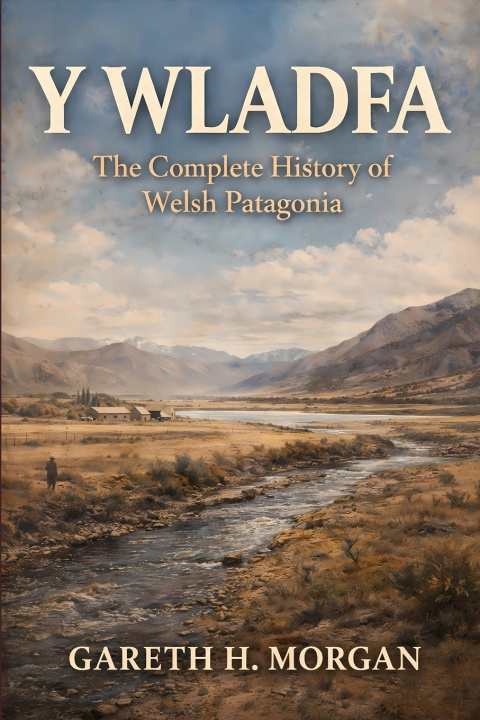

In 1865, 153 Welsh emigrants landed on the coast of Patagonia with an extraordinary ambition: to create a Welsh-speaking society beyond the reach of English cultural and linguistic dominance.
Y Wladfa tells the full, unvarnished history of that experiment - from its ideological origins in nineteenth-century Wales to its long, complex afterlife in modern Argentina.
Drawing on Welsh, Argentine, and international scholarship, this book moves beyond romanticised heritage narratives to examine what Welsh Patagonia actually was. It explores the cultural anxieties that drove the project, the gulf between planning and geography, the harsh realities of settlement in the Chubut Valley, and the uneasy relationship between Welsh settlers, the Argentine state, and indigenous peoples whose land was being transformed.
Rather than celebrating or condemning, this is a history that insists on clarity. It traces how Welsh language and institutions briefly flourished, how political autonomy quietly disappeared, and how identity survived through adaptation rather than isolation. It also confronts uncomfortable truths about settler colonialism, myth-making, and the limits of cultural preservation through emigration.
Written for readers interested in Welsh history, diaspora studies, colonial history, and language survival, Y Wladfa presents Welsh Patagonia not as a legend, but as a case study in how ideals collide with power, geography, and time.
This is not a story of triumph or failure - but of consequence.


Informace o knize
Angličtina
